Prepare for the visit you actually have
Tell children that a museum is a place to look, ask and sometimes disagree. Explain the practical rules before entering a gallery: give other people space, keep hands away from artworks and follow staff guidance.
Check the museum’s current family programme and age guidance. A scheduled workshop needs its own availability check; do not promise one based on an old photograph or general activity description.
For pushchairs and carriers, check MUNCH’s accessibility page before arriving. It describes restrictions in the exhibition halls and loan arrangements. Plan how you will move around with a tired child.
Find the museum’s current family visitor resourcesmunch.no · official sourceCheck pushchair and carrier arrangementsmunch.no · official sourceUse questions with room for an answer
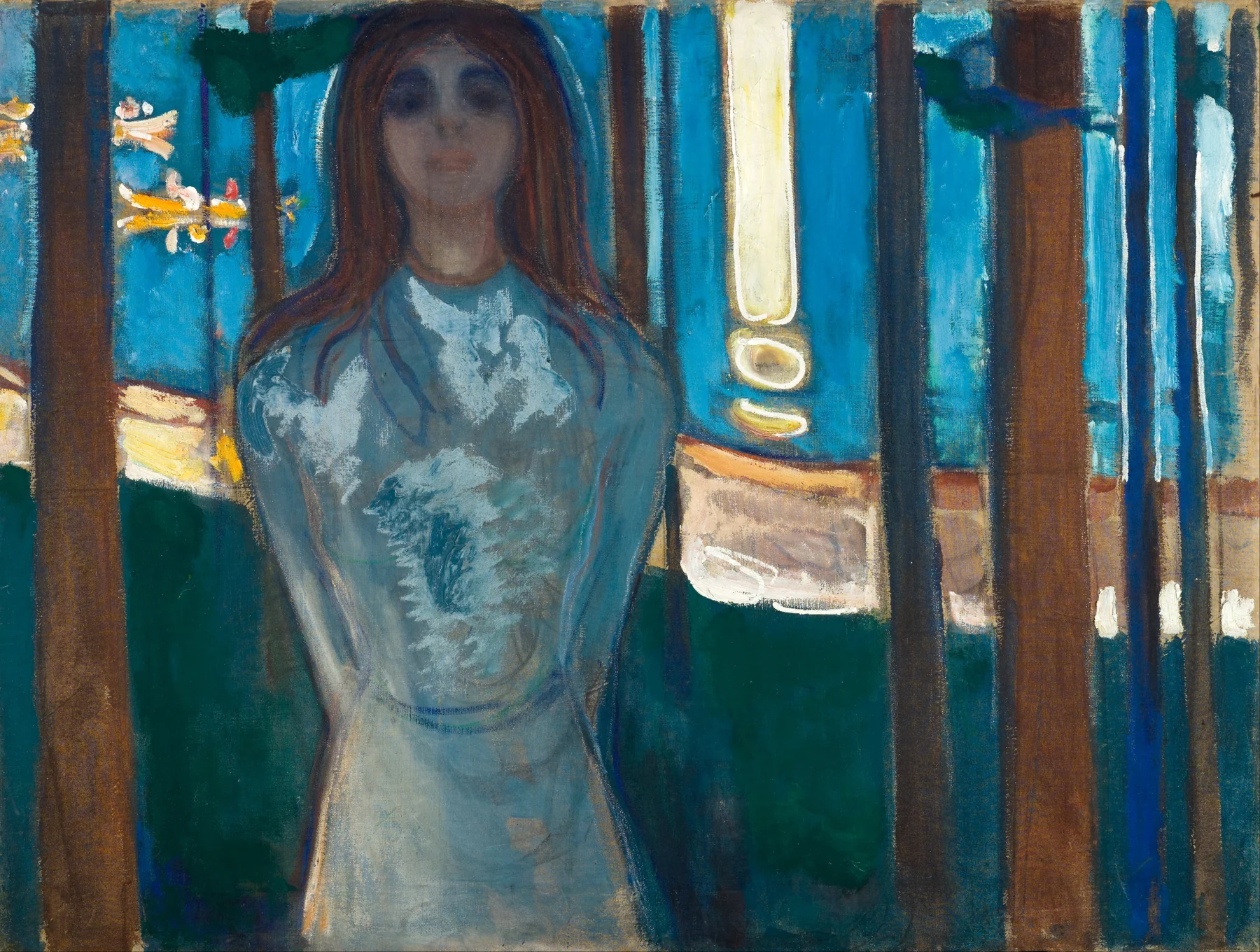
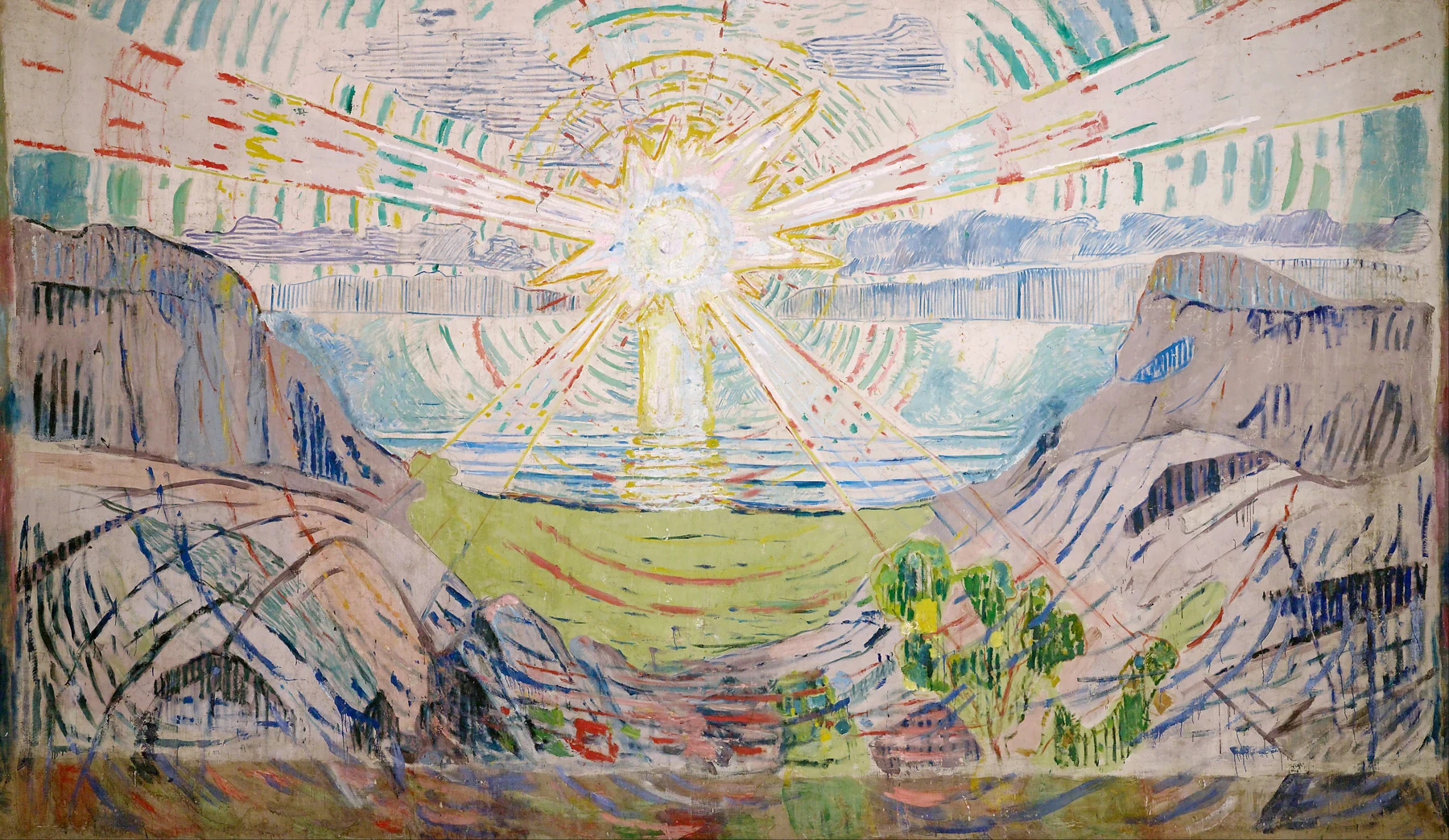
Begin with something a child can point to. “Which colour did you see first?” is often easier than “What does this painting mean?” Wait for an answer before adding your own.
For younger children
Find a line that bends. Which part looks warm? Where would you stand inside this picture?
For older children
What detail supports your interpretation? What would change if the sky were a different colour? Can two people read this differently?
A child may describe a detail you missed. Treat that observation seriously without turning the conversation into a test of art vocabulary.
Allow uncomfortable feelings
Some works can suggest fear, loss, intimacy or loneliness. Preview what you intend to see, and follow a child’s comfort level. You can move on without explaining every image.
If a painting feels frightening, ask what in the picture creates that feeling. Then offer a choice: stay and look together, find something calmer or take a break. Avoid telling a child that a feeling is wrong because a museum label says something different.
Give the visit a clear stopping point
Let each person choose one work to remember. Say its title together, or make a note outside the gallery. Leave while there is still energy for a conversation, rather than pushing through a final floor out of obligation.
Back outside, invite a description from memory: a shape, a colour or a gesture. At home, a drawing can explore that remembered feature without needing to copy a masterpiece.